
The Appeal of Uncertainty
One of the primary factors that draw players back to casino games is the allure of uncertainty. Humans are naturally curious beings, and the unpredictable outcomes of games like slots, blackjack, and roulette evoke a sense of anticipation. This thrill of not knowing whether a bet will result in a win or a loss creates an adrenaline rush that many players find addictive. This psychological phenomenon, known as variable reinforcement, solidifies the behavior, making players more likely to return for another round. Additionally, players may find some of the top bitcoin casinos appealing for this very reason.

The unpredictability of casino games engages the brain’s reward system. When players experience a win, even if it’s just a small payout, the brain releases dopamine, a neurotransmitter associated with pleasure and reward. This biological response reinforces the behavior, making players eager to chase that high again, which explains why they keep coming back for more gambling experiences.
The Role of Social Interaction
Casinos are not just places for solitary gaming; they are vibrant social hubs. The social aspect of gaming is crucial, as many players enjoy the camaraderie and interaction with others. Whether it’s chatting with friends at a poker table or meeting new people while playing a slot machine, these social interactions enhance the gaming experience. This community aspect allows players to share their experiences, strategies, and emotions, making the games feel less isolating and more enjoyable.
Moreover, the presence of fellow players can elicit emotions that contribute to the enjoyment of the game. Celebrating wins together and commiserating losses creates a shared experience that fosters connections and encourages players to return to the casino environment. The social dynamics play a significant role in driving repeat visits.
The Impact of Design and Environment
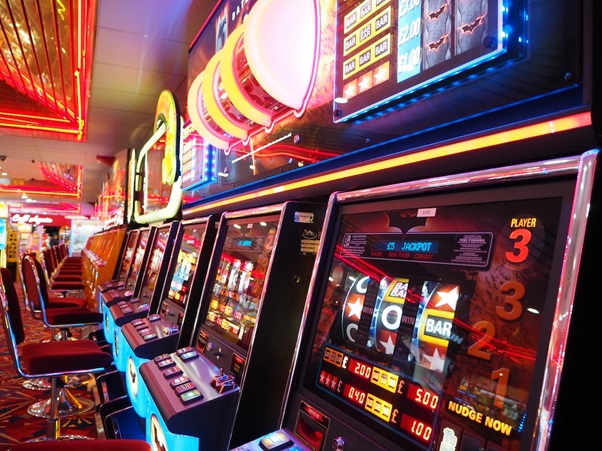
Casino design plays a crucial role in influencing player behavior. Bright lights, engaging sounds, and enticing decor all work together to create an immersive environment that draws players in. The use of color and sound is not merely aesthetic; they are strategically employed to stimulate excitement and encourage extended play. For instance, the sound of coins clinking or the celebratory cheers from nearby winners can trigger a desire to join in and play.
Furthermore, casinos are often designed without clocks and windows, creating a sense of timelessness. This manipulation of space encourages players to lose track of time and become absorbed in their gaming experience. By creating an atmosphere that is both captivating and disorienting, casinos effectively increase the likelihood of prolonged engagement from players.
The Thrill of the Chase
The concept of “the chase” is another psychological element that keeps players returning to casino games. Many players are driven by the hope of hitting a big jackpot or achieving a significant win, which can lead to a mindset where the journey becomes as important as the destination. This pursuit of success, regardless of previous losses, creates a sense of determination that keeps players invested in their gaming sessions.
This cycle of chasing wins can lead to a phenomenon known as the “gambler’s fallacy,” where players believe that their luck is bound to change, resulting in a win after a series of losses. This cognitive distortion can perpetuate gameplay, leading to an ongoing cycle of playing in hopes of a breakthrough moment. The thrill of anticipation is powerful, and players often return to the gaming floor, convinced that their next session could be the one that changes everything.
Understanding Player Behavior in the Casino Context
To effectively comprehend the allure of casinos, it’s crucial to analyze the players’ mindset and behavior. Many individuals seek out the excitement of gambling not just for potential monetary gain, but for the emotional experience it provides. The highs and lows of winning and losing serve as emotional stimuli, creating a rollercoaster effect that can be both exhilarating and thrilling. This interplay of emotions can be as compelling as the games themselves, further solidifying the attraction to casinos.
Additionally, the casino environment promotes a sense of escapism, where players can temporarily forget their daily stressors and immerse themselves in a realm of possibility. This psychological reprieve allows players to indulge in a fantasy where winning is always just one roll or spin away. Understanding these dynamics can offer valuable insights into why casinos remain such popular destinations for so many individuals seeking entertainment and excitement.